
The Iconic Dodge Charger History
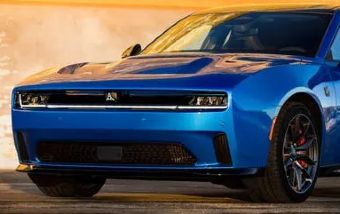
The Dodge Charger has long been an iconic symbol of American automotive culture, embodying the spirit of muscle cars since its debut in the 1960s. Originally designed to compete in the growing muscle car market, the Charger quickly garnered attention for its powerful performance and distinctive design. Over the decades, it has evolved through various generations, adapting to changing consumer preferences and technological advancements while maintaining its status as a beloved classic. This article will explore the rich history of the Dodge Charger, tracing its journey from a revolutionary muscle car to its modern incarnation, examining the design shifts, performance enhancements, cultural significance, and what the future may hold for this legendary vehicle.
The Origins of the Dodge Charger: A Classic American Muscle Car
Introduction of the Charger in 1966
The Dodge Charger made its grand entrance into the automotive world in 1966, strutting onto the scene like it owned the place. Designed to be a fastback companion to the Coronet, it was initially marketed as a high-performance, specialized model. With its sleek lines and aggressive stance, the Charger was a daring move from Dodge, aimed at carving out a niche in the competitive muscle car market.
Key Features of the First Generation
The first-generation Charger was not just a pretty face. It sported a high-back fastback design that set it apart from the crowd, along with distinctive hidden headlights and a sporty interior that screamed “drive me.” Under the hood, buyers could choose from a range of engines, including a hefty 426 Hemi, ensuring that the Charger offered not just style, but also the power to back it up.
Impact on the Muscle Car Market
Though it was born amidst a sea of muscle cars, the Charger quickly became a heavyweight contender. Its mix of performance and style shook things up in the 1960s, attracting the attention of speed enthusiasts and casual drivers alike. The Charger helped to revitalize the American automobile landscape, proving that it was possible to have both family-friendly features and heart-pounding power—all while looking cool as a cucumber.
The Evolution of Design: From the 1960s to Today
Design Changes Through the Generations
Over the years, the Charger has undergone a metamorphosis worthy of a superhero origin story. The bold curves of the 60s evolved into sharper edges by the 70s, while the 80s and 90s introduced some, let’s say, unique stylistic choices that were reminiscent of a slightly confused teenager. Today, the Charger blends retro design elements with modern flair, aiming for that sweet spot between nostalgia and innovation.
Influence of Automotive Trends on Charger Designs
Just like fashion, car design follows trends—and the Charger has certainly made its fair share of style statements. From the muscle-centric aesthetics of early models to the aerodynamic designs of the late 90s, and now the aggressive, sporty look of recent versions, the Charger has remained in tune with automotive trends while keeping its distinct identity. It’s like that friend who can pull off any outfit but still manages to stay true to their style.
Iconic Design Elements Retained and Modified
Despite the changes, the Charger has hung onto several design elements that fans adore. The unmistakable split grille, muscular stance, and the elongated body are still present but have been refined and modernized. Think of it as an old-school rocker who swapped out bell bottoms for a tailored suit—still the same iconic figure, just looking a bit sharper!
Performance Enhancements: Engine Development Over the Years
Initial Powertrains and Performance Specs
In its early days, the Charger was a powerhouse, offering an array of engines designed to satisfy the insatiable appetite for speed. The base engine was a modest 225 cubic inch slant-six, but real enthusiasts knew that the 383 and 426 Hemi were where the magic happened. With horsepower ratings that could make a grown man weep, these engines made sure the Charger wasn’t just a pretty face on the road.
Introduction of High-Performance Variants
As the years went by, Dodge cranked the performance dial up to eleven. Enter the R/T (Road/Track) variant, which turned heads and dropped jaws with its high output engines and performance-oriented features. The Charger was no longer just a muscle car; it evolved into a legend with variants like the Super Bee and Daytona, making fast friends with speed demons everywhere.
Modern Engine Technology and Efficiency
Fast forward to today, and the Charger is still flexing its muscle, but now it's doing so with a nod to efficiency. Equipped with advanced engine technology, including turbocharging and fuel injection, the modern Charger balances power with practicality, proving you can have your cake and eat it too—provided you have a powerful enough engine to burn some rubber afterward!
Cultural Impact: The Charger in Film and Media
Iconic Appearances in Movies and TV Shows
If you’ve ever watched a car chase in a classic film, chances are you’ve seen a Dodge Charger in action. From "Bullitt" to "The Fast and the Furious," this beast of a car has been stealing scenes for decades, often playing the role of the tough guy that everyone roots for. With its growling engine and sleek looks, it’s the quintessential Hollywood hero—albeit one that can give villains a serious run for their money.
The Charger as a Symbol of American Culture
The Charger has transcended its role as a mere car; it’s become an emblem of American culture, embodying the spirit of freedom and rebellion that defines the open road. Seen as a symbol of power and performance, it’s often associated with the muscle car era that celebrates individuality and raw horsepower. The Charger isn’t just a mode of transport; it’s a lifestyle choice for many.
Fan Base and Community Influence
With such a rich history, it’s no surprise that the Dodge Charger has cultivated a passionate fanbase. Car shows, meet-ups, and online forums are filled with enthusiasts sharing restoration tips, performance upgrades, and the latest gossip about upcoming models. The Charger community is more than just a group of individuals; it’s a family united by a shared love for this iconic vehicle—and don’t even get them started on their favorite movie chase scenes!
Modern Innovations: Technology and Features in the Latest Models
Advanced Safety Features and Technologies
If the Charger’s muscle wasn’t enough to make your heart race, its safety features might just do the trick. Modern Chargers are equipped with a suite of advanced safety technologies such as adaptive cruise control, blind-spot monitoring, and automatic emergency braking. These features not only keep drivers secure but also make them feel like they’re driving a high-tech fortress. It's the perfect blend of power and protection, ensuring that you can enjoy those thrilling drives without looking over your shoulder.
Infotainment Systems and Connectivity
Let’s face it: the days of flipping through CDs like they’re ancient relics are long gone. The latest Dodge Charger models come with infotainment systems that would make even the most tech-savvy teenager proud. With features like a large touchscreen, Apple CarPlay, and Android Auto, staying connected while cruising down the highway is a breeze. Whether you're jamming out to your playlist or asking your digital assistant to find the nearest drive-thru, the Charger keeps your tech game strong.
Sustainability Efforts and Future Technologies
While the Charger is synonymous with power, Dodge is making strides in sustainability. The latest models are increasingly equipped with fuel-efficient engines and eco-friendly materials. Plus, there’s buzz about hybrid and electric variants on the horizon—because who says you can't have your cake and eat it too? As the automotive world shifts gears towards sustainability, the Charger is poised to blend its iconic muscle with a greener image.
Market Trends: The Charger’s Place in the Automotive Industry
Sales Performance and Market Positioning
The Dodge Charger has consistently flexed its sales muscles, maintaining a solid position in the automotive landscape. Despite the surge in interest for SUVs and crossovers, the Charger has admirably held its ground, appealing to a mix of nostalgia and adrenaline-seeking drivers. Dodge’s clever marketing keeps the Charger relevant and in the spotlight, making it a staple in both car enthusiast discussions and suburban driveway debates.
Competition with Other Muscle Cars
In the muscle car showdown, the Charger doesn’t just come to play; it comes to dominate. Its competitors, like the Ford Mustang and Chevrolet Camaro, bring their A-game, but Charger enthusiasts know that it’s not just about speed—it’s about character. With powerful V8 engines and an unmistakable presence, the Charger gives muscle car fans a reason to rally around it, proving that while competition is fierce, only one can reign supreme in the hearts of many.
Brand Loyalty and Customer Demographics
Dodge has cultivated a loyal following for the Charger, attracting a diverse array of enthusiasts—from die-hard muscle car fans to families who appreciate a blend of power and practicality. Its easily identifiable style coupled with performance attributes has made it a favorite among those who crave nostalgia but don’t want to compromise on modern demands. This blend of tradition and modernity plays a huge role in shaping the Charger’s demographic and keeping the brand thriving.
The Future of the Dodge Charger: What Lies Ahead
Upcoming Models and Speculations
The future for the Dodge Charger looks exhilarating, with whispers of new models that promise to turn heads and crank up the thrill factor. Speculations abound regarding design refreshes and performance upgrades that could redefine what it means to "have a Charger." As Dodge looks to blend its rich heritage with modern innovation, fans are eagerly waiting to see how the Charger will evolve, keeping the performance packed and the excitement soaring.
Get all Original Replacement Parts for Your Dodger Charger from Wholesale Mopar.
Notable Special Editions Throughout History
Throughout its storied history, the Dodge Charger has unleashed a plethora of special editions that have left car enthusiasts drooling. From the legendary Daytona to the striking Scat Pack, these limited variants are more than just cars; they’re pieces of automotive art. Each edition carries its own unique flair and performance tweaks, ensuring that collectors and fans have a rich history to celebrate, one horsepower milestone at a time.
Limited Runs and Their Collectability
If there’s one thing collectors love more than a classic car, it’s a limited edition of a classic car. Limited-run Chargers have become treasured assets for enthusiasts, often appreciating in value over time. Owning one of these rare beauties isn’t just about the drive; it’s about telling a story, having a piece of history in your garage, and enjoying the envy of your fellow car lovers. After all, “limited edition” is just a fancy term for “I’m not sharing!”
The Impact of Special Editions on Brand Image
Special editions don’t just serve as eye-candy; they play a pivotal role in shaping the Dodge Charger’s brand image. By showcasing innovation and the willingness to push boundaries, these variants elevate the Charger’s status from a mere vehicle to an aspirational icon. They create buzz and excitement, drawing in new fans while keeping loyalists engaged. In the ever-competitive automotive market, special editions ensure that the Charger remains relevant and desirable—because who doesn’t want a piece of the action?In conclusion, the Dodge Charger stands as a testament to the enduring appeal of American muscle cars, continuously evolving while retaining its distinctive character. As it adapts to modern demands with innovative technology and performance enhancements, the Charger remains a favorite among automotive enthusiasts and casual drivers alike. With a rich history and a promising future, the Charger is not just a car; it is an emblem of freedom, power, and the open road, ensuring its place in automotive history for generations to come.
Frequently Asked Questions
What year was the Dodge Charger first introduced?
The Dodge Charger was first introduced in 1966 as a prototype and officially launched as a production model in 1967.
How has the performance of the Dodge Charger changed over the years?
The performance of the Dodge Charger has significantly evolved, with advancements in engine technology, increased horsepower, and the introduction of high-performance variants over the decades.
Are there any special editions of the Dodge Charger?
Yes, the Dodge Charger has several notable special editions, including the R/T, SRT Hellcat, Wide Body and various limited-run models that highlight unique features and performance capabilities.